Most people know Mallorca for its beaches and its road cycling. Fewer know that the same island hides some of the most rewarding mountain biking in the Mediterranean.
Away from the resorts, the Serra de Tramuntana rises steeply out of the sea — a UNESCO World Heritage mountain range of limestone peaks, ancient stone trails, terraced olive groves and villages that cling to the hillsides. It is warm, it is dry, and it rides almost every month of the year, which makes Mallorca one of the most reliable escapes in the calendar. When the Alps are covered in snow, this is where you go.
This guide covers everything you need to know about mountain biking in Mallorca — the terrain, what the trails are like, when to go, and how LeRipp runs its trips on the island.
Why Mallorca is Different
Mallorca's reputation as a cycling island is well earned, but it has quietly become a serious mountain biking destination too, and for good reason.
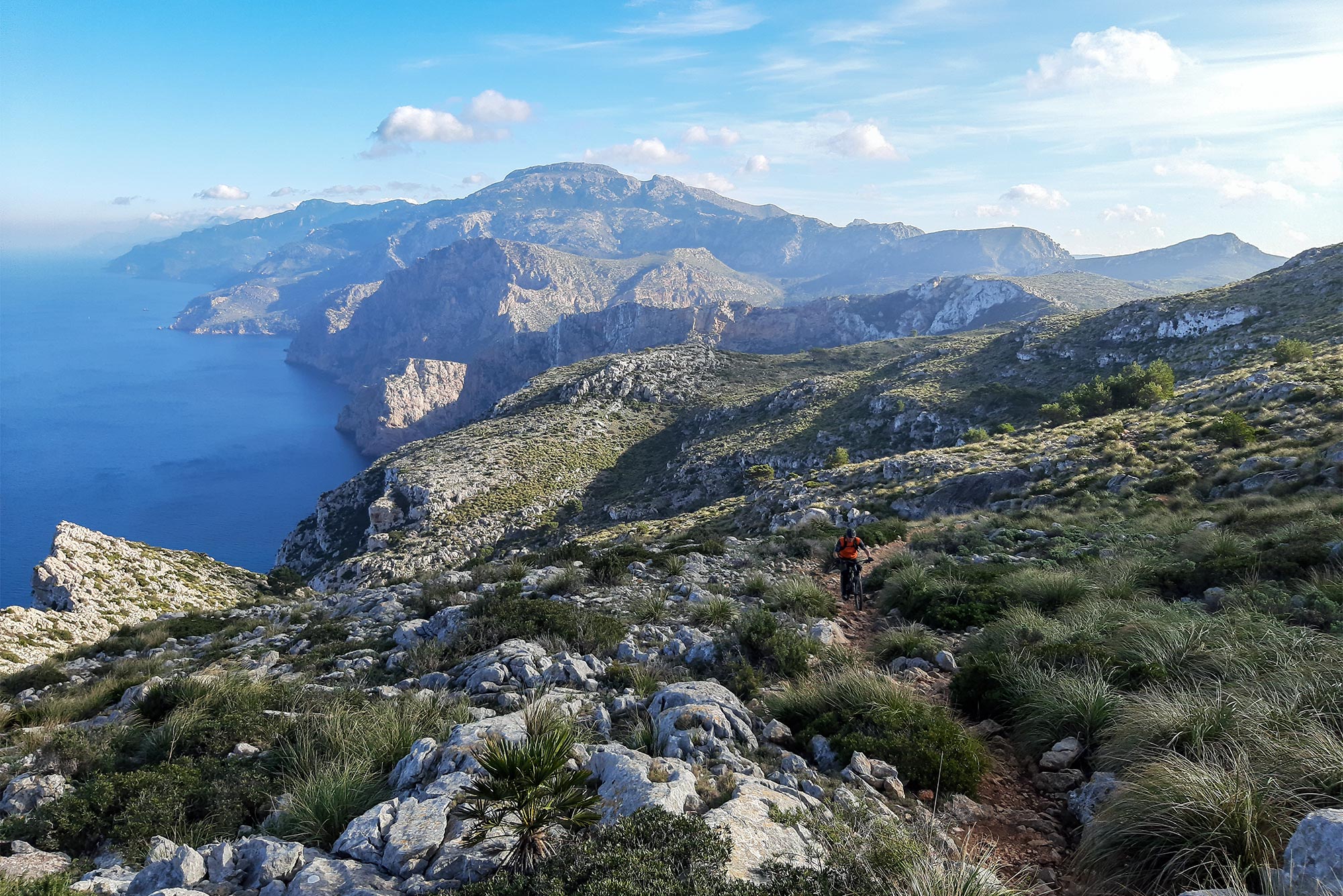
The draw is the Serra de Tramuntana, the mountain range that runs the length of the island's northwest coast. This is dramatic terrain — jagged limestone peaks dropping straight to the sea, ancient mule trails and dry-stone paths threading through the mountains, and a network of riding that has been shaped over centuries. It is a landscape with genuine history under your wheels.
What sets Mallorca apart, though, is the combination. Excellent trails, a warm and dry Mediterranean climate that keeps them rideable year-round, and everything that comes with being on a beautiful island — sea swims after a ride, exceptional food, local wine, and charming mountain villages to finish the day in. Add the fact that it is quick and easy to reach from across Europe, and you have a destination that works brilliantly for everything from a long weekend to a full week.
The Riding: The Serra de Tramuntana
The heart of mountain biking in Mallorca is the Serra de Tramuntana, and it is a special place to ride.
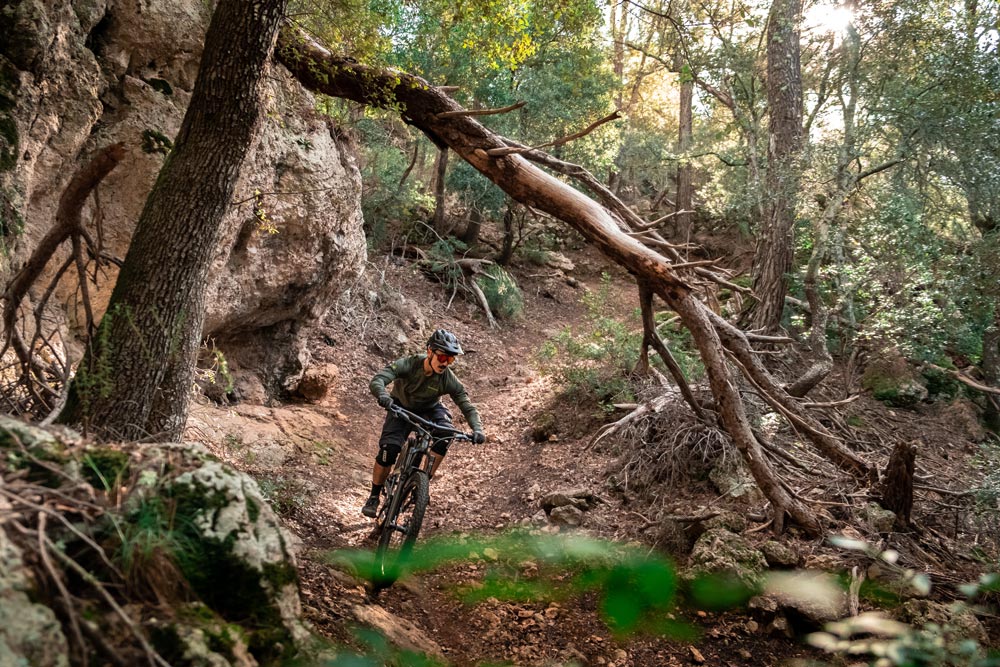
The trails here are largely natural and historic — old mule paths, dry-stone trails and mountain tracks that link villages, monasteries and viewpoints across the range. You ride through terraced olive and almond groves, past centuries-old stone walls, up to ridgelines with sweeping views over the Mediterranean, then descend technical, rocky singletrack back down towards the coast.The limestone is the defining feature. It gives the riding its character — grippy, rocky, technical in places. There is flow here too, but Mallorca is a more natural, technical destination than a manicured bike park, and that is exactly its appeal. These are trails with soul.
Because the terrain is so varied, guides can shape each day to the group — mellower valley trails and flowing descents when that suits, more technical rock and steeper lines when the group is ready for them.
What the Trails Are Like
Expect natural Mediterranean mountain riding. The trails are mostly old mule paths, dry-stone tracks and natural singletrack winding through the trees, with that distinctive Mallorcan limestone underfoot for much of the time. The rock is grippy when dry and can get polished and slippery when wet, with loose, rocky sections to pick through alongside smoother, flowing stretches. Overall the riding ranges from mellow and flowing to genuinely technical and chunky, with rocky steps, tight turns and the odd steeper pitch where the terrain demands focus.
These days the riding is pedal-powered rather than shuttle-assisted — any shuttle is just a transfer to the riding area, not uplift between descents — which is a big part of why e-bikes have become so appealing here. There is real climbing involved, as the Tramuntana is a proper mountain range, but the effort is always rewarded with the descents and the views.
For riders who enjoy natural, characterful terrain rather than purpose-built flow, Mallorca delivers. And for those who want help with the climbs, e-bikes are a superb option, opening up more of the range with far less effort — increasingly the way most riders choose to take it on.
Skill and Fitness Level
Mallorca is a versatile destination that suits a range of riders, which is part of why it works so well for groups.
The riding is well suited to intermediate riders comfortable on natural, rocky terrain and happy with some technical sections. That said, the variety of trails across the Tramuntana means guides can adapt to keep things flowing for less confident riders or dial up the technical challenge for stronger ones.
On fitness, a reasonable base will let you enjoy the riding rather than endure it. There is climbing involved, but trips are designed to balance the effort with the reward, and e-bikes are available for anyone who wants to take the sting out of the ascents and cover more ground. Riding a couple of times a week beforehand will see you well prepared.
If you are unsure where you sit, our skill and fitness guide breaks each level down clearly, and every trip flexes to match the group.
When to Go
One of Mallorca's biggest strengths is that it rides all year round, thanks to its mild Mediterranean climate. This makes it a rare and valuable option: a European destination you can ride in the depths of winter.
Spring and autumn are the sweet spots. The temperatures are warm but comfortable, the trails are in prime condition, and the island is quieter than in peak summer. These shoulder seasons are arguably when Mallorca is at its very best for riding.
Winter is a genuine highlight and one of Mallorca's key advantages. While much of Europe is frozen and the Alpine trails are buried under snow, Mallorca stays mild and rideable, making it one of the best close-to-home winter escapes there is.
The one time to approach with care is high summer. July and August bring serious Mediterranean heat, and the island is crowded. For most riders, spring, autumn and winter are the pick.
More Than Just Riding
Part of what makes Mallorca special is everything that sits alongside the trails.
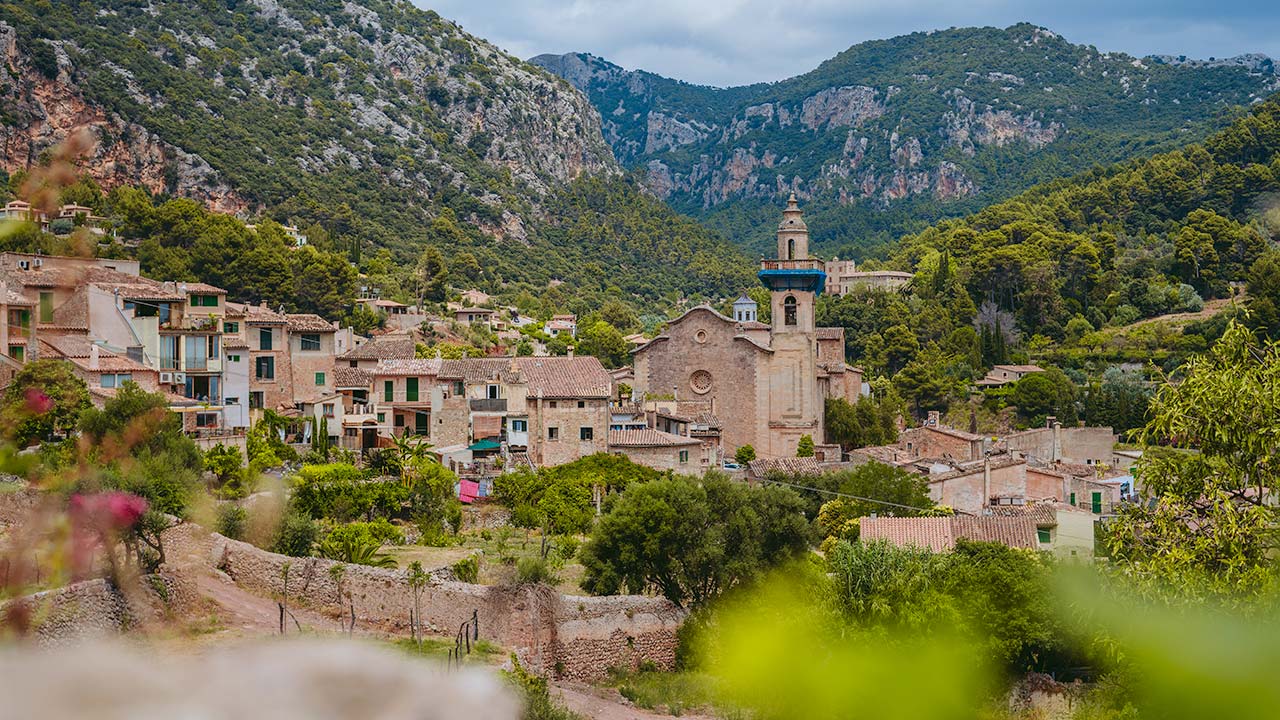
After a day in the mountains, the Mediterranean is right there for a swim to wash off the dust. The island's food is a highlight — fresh seafood, local produce, and the relaxed Mediterranean dining that makes the evenings as good as the riding. There is local wine to sample, historic towns like Sóller and Valldemossa to explore, and the simple pleasure of finishing a ride in a village square with a cold drink and the mountains behind you.
This is a destination where the riding is the centrepiece but not the whole story, which makes it ideal for groups with a mix of appetites, or for anyone who wants their trip to feel like a proper holiday as well as a riding one.
Bikes and Kit
You can bring your own bike or hire one for the trip. LeRipp arranges quality mountain bike and e-bike rental through trusted local partners who know the Tramuntana terrain, so you can travel light and pick up a well-set-up bike on arrival.
A trail or enduro bike is ideal for the natural, rocky terrain. The limestone can be sharp, so if you bring your own bike, pack tough tyres and a solid spares kit. Given the climbing the range involves, e-bikes are a popular and rewarding choice here.
For kit, this is warm-weather riding for most of the year, so the priorities are lightweight gear, good sun protection and plenty of hydration — the Mediterranean sun is strong, especially on exposed climbs. Bring a light layer for cooler mornings in the shoulder and winter seasons. Knee pads are worth having for the more technical descents.
Getting There
Mallorca is one of the easiest destinations to reach, which is a big part of its appeal for shorter trips and long weekends. Palma de Mallorca airport is well connected to airports right across Europe, with short flight times from most of the continent and frequent, affordable connections.
From the airport, the Serra de Tramuntana is a straightforward transfer away. On a LeRipp trip, the logistics from arrival onwards are handled, so you can focus on the riding.
Most visitors from within Europe travel to Spain visa-free. Travellers from further afield should check current entry requirements before booking.
Guided or Independent
Mallorca can be ridden independently, but a guided trip unlocks the destination in a way that is hard to match on your own.
The best trails in the Tramuntana are natural, historic and often unmarked, and linking them into a great day takes local knowledge — which trails ride well, how to connect them, where the best descents and viewpoints are, and how to match the terrain to the group. Just as valuable is everything around the riding: the right village to stop in, the best spot for a post-ride swim, the restaurant worth the detour. That local insight is the difference between riding Mallorca and truly experiencing it.
On a LeRipp trip, it is all taken care of: local professional guides, handpicked accommodation, meals, shuttle support where needed, transfers and full on-trip support. You focus on the riding and the island; we handle the rest.
How Mallorca Compares to Other LeRipp Destinations
Mallorca sits at the accessible, sun-soaked, year-round end of the LeRipp portfolio.
Where Chamonix and the Pyrenees are about big alpine descents and Nepal is a full expedition, Mallorca is about characterful Mediterranean riding wrapped in an easy, enjoyable island escape. It shares plenty of DNA with Finale Ligure in its natural, technical coastal riding, and with Croatia and Portugal in its sun, sea and food.
What sets Mallorca apart is the combination of genuinely good riding, year-round reliability and how easy it is to reach. For a winter escape, a long weekend, or a group trip where not everyone wants it to be all about the bike, Mallorca is hard to beat.
Planning Your Mallorca MTB Trip
LeRipp runs private group trips to Mallorca, with small groups and local professional guides, available year-round thanks to the island's mild climate.
Trips include guided riding through the Serra de Tramuntana, handpicked accommodation, meals, , airport transfers and full LeRipp support. Bike and e-bike rental can be arranged, and the trip can be tailored around your group's level, length and objectives.
For full details, current pricing, and to talk through the best time for your group to visit, take a look at the Mallorca trip page or get in touch.
Frequently Asked Questions
Do I need to be an experienced rider to mountain bike in Mallorca?
No. Mallorca suits intermediate riders comfortable on natural, rocky terrain, but the variety of trails means guides can adapt each day up or down for the group. E-bikes also make the riding more accessible. Our skill and fitness guide explains the levels.
When is the best time to ride in Mallorca?
Mallorca rides year-round thanks to its mild Mediterranean climate. Spring and autumn are the sweet spots, and winter is a standout option when much of Europe is frozen. We’d steer clear of high summer (July and August), though — it’s too hot and the island is at its busiest, so it’s not a window we recommend.
Can I hire a bike, or should I bring my own?
Both work. LeRipp arranges quality mountain bike and e-bike rental through local partners who know the terrain. If you bring your own, a trail or enduro bike with tough tyres suits the sharp limestone best.
Is Mallorca good for a winter mountain bike trip?
Yes — it is one of the best close-to-home winter escapes there is. While the Alps are under snow, Mallorca stays mild and rideable, making it a favourite for riders wanting European trails in the colder months.
Is there more to do than just riding?
Plenty. Sea swims, fresh Mediterranean food, local wine, and historic towns like Sóller and Valldemossa are all part of the experience, making Mallorca a great choice for groups with mixed appetites.
How do I get to Mallorca?
Palma de Mallorca airport is well connected across Europe with short, frequent and affordable flights, making it one of the easiest LeRipp destinations to reach — ideal for long weekends as well as full weeks.