Booking a trip with us is the easy part. Turning up ready to ride is where most people fall short.
A mountain bike escape is only as good as the preparation behind it. Arrive underprepared — fitness behind where it needs to be, gear missing, bike not set up properly — and the first few days can feel like a catch-up exercise rather than the trip you planned.
This guide covers everything worth sorting before you leave, from getting your fitness in order to what to check on your bike and what to pack.
Start with Your Fitness
Getting some preparation in before your trip makes a real difference to how much you enjoy it. You do not need to be an elite athlete, but arriving with a bit of base fitness means you can focus on the riding rather than surviving it.
Most of our destinations involve some climbing and multiple days on the bike. The more prepared you are, the better each day feels.
This applies to both mountain biking and e-biking. An e-bike takes the sting out of the climbs, but a full day in the saddle across varied terrain still asks something of your body.
Start building for your trip at least eight to ten weeks out.
Build Your Aerobic Base
Long, steady efforts are the foundation. One longer ride per week at a moderate pace — two to four hours depending on your current level — builds the aerobic capacity you will rely on across consecutive riding days. Keep the pace comfortable enough to maintain a conversation. The goal is time on the bike, not intensity.
Add Some Intensity
Once your base is in place, introduce shorter, harder efforts. Interval training improves how your body manages effort on steep climbs and reduces how long it takes to recover between them. Short bursts — thirty seconds to two minutes of hard effort followed by a recovery period — done two to three times per week alongside your steady rides is enough to make a noticeable difference.
Train Off the Bike
Legs alone will not get you through a week of mountain biking. Squats, lunges and single-leg exercises build the strength needed for climbs and technical descents. But the descents ask just as much of your upper body — strong shoulders, chest and arms help you control the bike through rough, technical terrain and stay in command when the trail gets demanding. Core work — planks, dead bugs, rotational movements — ties it together, improving stability and reducing the fatigue that creeps into your lower back and shoulders by day three or four.
Don't Forget Recovery
Recovery is part of the training, not optional. Sleep, rest days and managing the overall load matter as much as the sessions themselves. Arriving tired is almost as common a mistake as arriving unfit.
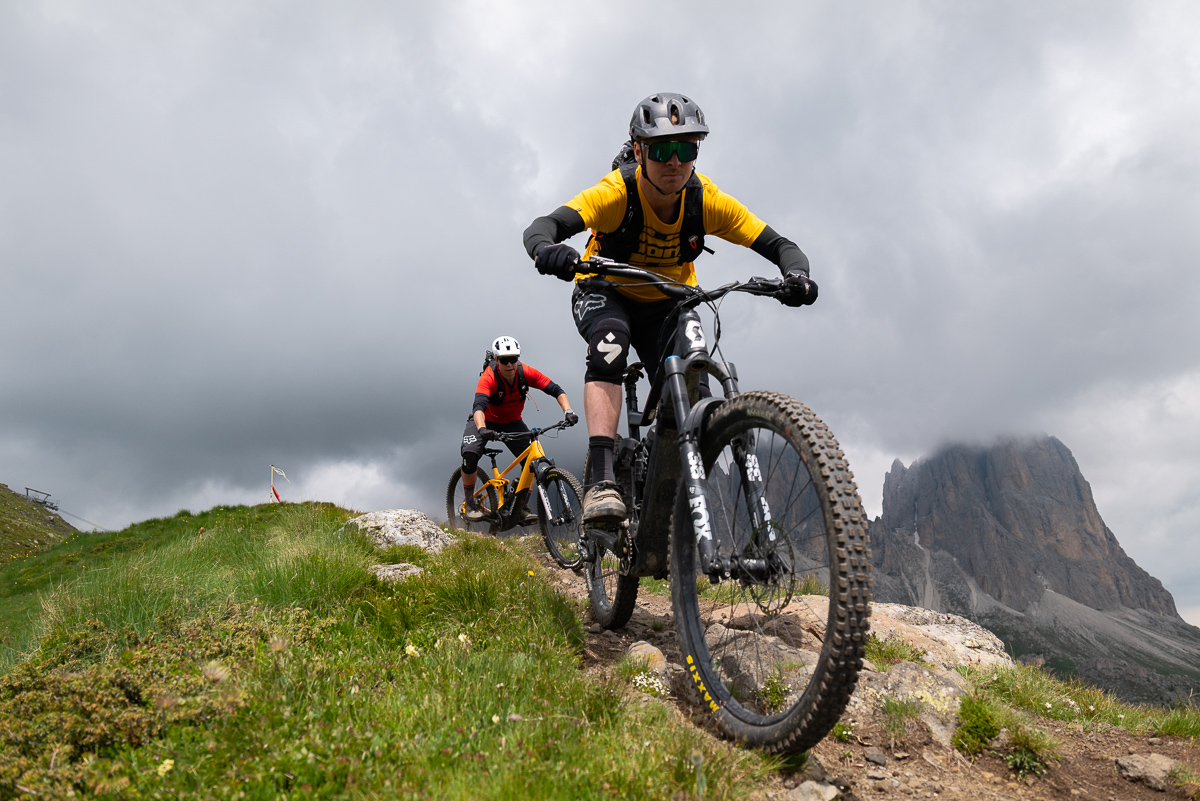
Sort Your Bike Before You Leave
A mechanical issue in the mountains is far more disruptive than at home. Sorting your bike before you travel means you are not losing riding time to problems that could have been fixed in your own garage.
Book a Service
If your bike has not had a full service in the last six months to a year (depending on how much you ride and what maintenance you do yourself), book one in. Ask the mechanic to check the drivetrain for wear, bleed the brakes, inspect the bearings and service the fork and shock. Do this at least three to four weeks before you leave so there is time to source any parts needed.
Check Tyres and Tubeless Setup
Tyres are the most overlooked part of trip prep. If your tyres are worn or the sealant in your tubeless setup has dried out, sort it before you go. Add fresh sealant a few days before departure and check the bead is seated properly.
Tyre choice matters. For destinations with rocky, technical terrain like Finale Ligure or Berga, a more aggressive compound and casing will serve you better than whatever came stock on the bike.
Set Up Your Suspension for the Destination
Every destination rides differently. High-alpine terrain in Chamonix puts different demands on your suspension than the limestone slabs of Finale Ligure. If you are not sure how to set up your fork and shock for the trails ahead, ask your guide when you arrive — but arriving with a rough setup and knowing your sag is a good starting point.
Carry the Right Spares
You will not be able to carry everything, but there are a few things worth having on every ride. A tubeless repair kit, a spare tube, tyre levers, a multi-tool, a chain link, a pump or CO₂ inflator, and spare brake pads. Beyond that, your guide or the local bike shop will be able to cover most situations.
Think About Gear and Kit
You do not need to buy everything new before a trip. Most experienced riders have what they need already. The question is whether it is in good enough condition to last a week of hard riding.
Helmet
If your helmet has taken a significant impact or is more than five years old, replace it. Full-face helmets are worth considering for more aggressive terrain; a high-quality trail helmet (open face) works well for most guided escapes. Comfort and fit matter as much as the category — if you are in it for six hours a day, it needs to feel right.
Protective Gear
Knee pads and, for rougher destinations, elbow pads are worth the extra luggage space. Crash probability on unfamiliar terrain is higher than at home. Pads allow you to push into new trails with more confidence, which makes for a better trip.
Clothing for Changing Conditions
Mountain weather changes quickly. Even on a warm trip, mornings on higher ground can be cold and conditions can shift during the day. Pack a light waterproof layer, a mid layer and in some cases a base layer alongside your regular riding kit. Sun protection is often underestimated — high altitude means more UV exposure, so bring sun cream and consider a buff or neck coverage.
Shoes and Pedals
Pedals come down to personal preference rather than terrain. Whatever you normally ride and feel most comfortable on is the right choice — there is no need to switch to something unfamiliar for a trip.
If you are bringing your own bike, you will bring your own pedals too, so just pack the matching shoes. If you are hiring a bike, we can usually provide either flat or clipless pedals, but it is worth checking with us in advance — there are different types and brands of clipless system, so we want to make sure we set you up with the right match for your shoes and cleats.
Plan the Logistics
Travel and Bike Transport
If you are flying, research your airline's bike transport policy well in advance. Fees, packaging requirements and booking processes vary widely, and leaving it late adds cost and stress. A hard bike bag offers more protection; a soft bag is lighter and easier to move through airports. Either works as long as the bike is properly packed.
Travelling with an e-bike is more complicated. Most airlines will not carry the battery because of its size, so flying with your own e-bike usually means planning ahead. You may be able to ship the battery in advance, or hire one at the destination — check with us first to see what is possible. In most cases the easiest option by far is to rent an e-bike when you arrive.
Some riders prefer to hire a bike at the destination regardless. This removes the transport headache entirely and means riding a well-set-up local bike on familiar terrain. Most of our trips can be done on a rental bike, and the quality of bikes at the destinations we work with is high.
Fuelling on the Trail
Eating well during the day matters as much on the bike as off it. On most trips we provide trail snacks and keep extras in the van, so you will never be caught short. That said, if you have a particular favourite — a specific gel, bar or snack you rely on — it is worth stocking up before you travel. The exact brands are not always easy to find once you are abroad, and a long riding day is not the moment to discover the local shop has never heard of your go-to.
Travel Insurance
Mountain biking trips require travel insurance that explicitly covers mountain biking or adventure sports. Standard travel insurance often does not. Check the policy carefully and make sure medical evacuation is included — this matters more than most riders realise until they need it. We have put together a guide to mountain bike travel insurance to help with this.
The Week Before
The week before a trip is not the time to train harder. It is the time to reduce the load and arrive fresh.
Keep riding, but cut the volume back significantly. A few shorter, easy sessions in the days before you leave will keep your legs moving without adding fatigue. Eat well, sleep well and pack early enough that you are not rushing the night before
Sort anything for your bike that needs sorting — fresh sealant, tyre pressure, brake lever position, saddle height and so on. If you are flying and packing your bike, you will need to set these up again on arrival.Check your kit list against what you have packed and make sure spares are in your bag, not forgotten on the workshop floor.
Final Thoughts
The best trips are the ones where the preparation is invisible. You arrive, the riding is hard and brilliant, and none of it is complicated by things that could have been sorted at home.
Fitness, bike condition, gear and logistics — sort each of these properly in the weeks before you leave, and the trip itself, along with LeRipp, will take care of the rest.
If you are planning an escape and want to know more about what to expect from the terrain or what level to be at, our skill and fitness guide is a good place to start. And if you have questions about a specific destination, get in touch.

Frequently Asked Questions
How far in advance should I start preparing for a mountain bike trip?
Eight to twelve weeks gives enough time to build fitness meaningfully without rushing. If the trip is longer or more demanding than usual, twelve weeks is the more sensible starting point.
Do I need to bring my own bike or can I hire one at the destination?
Both work. Hiring removes the hassle of transport and means riding a well-maintained local bike. Bringing your own is worth it if your bike is set up exactly how you like it and you prefer the familiarity. Most LeRipp destinations offer high-quality hire options for both mountain bikes and e-bikes.
What should I do if my bike needs a service before the trip?
Book it in as early as possible — ideally three to four weeks before you leave. This gives the mechanic time to source any parts that need replacing without rushing the turnaround.
Is travel insurance for mountain biking different from standard travel insurance?
Yes. Standard policies often exclude mountain biking or adventure sports. You need a policy that explicitly covers it, including medical evacuation. Check the small print carefully before purchasing.
What fitness level do I need for a LeRipp escape?
It depends on the destination and the trip. Our skill and fitness guide breaks this down clearly for each level of rider, from beginner-friendly escapes to more demanding alpine routes.


.avif)
.avif)
.avif)